Your Essential Guide to Protecting Your Hearing Naturally in 2026
Key Takeaways
- ✓ Understanding your hearing system can empower you to take action.
- ✓ Age-related changes in hearing are common but can often be managed.
- ✓ Certain nutrients may support auditory health and overall wellness.
- ✓ Noise protection is essential for preventing hearing loss.
- ✓ Maintaining good circulation is linked to better hearing outcomes.
- ✓ Healthy lifestyle choices can significantly impact your hearing health.
How Your Hearing System Works
Ever wonder how you can distinguish between your favorite song and the chatter at a café? The magic lies in your ears. They’re not just there for decoration—they’re sophisticated instruments that convert sound waves into the signals your brain interprets as music, speech, or noise.
Your hearing system comprises several key structures, each playing a vital role. Sound waves enter through the outer ear, travel down the ear canal, and vibrate the eardrum. This mechanical energy is transmitted through the ossicles (tiny bones) to the cochlea, where the real magic happens. According to a study by Goldenberg et al. (2020), the mechanics of the ear can degrade over time, reducing your ability to hear high-frequency sounds.
The cochlea is filled with fluid and lined with hair cells that translate these vibrations into electrical signals. Research published in Audiology Research highlights that as many as 75% of people over 70 have some degree of cochlear impairment. These signals travel via the auditory nerve to the brain, where they’re interpreted as recognizable sounds.
How can you protect this intricate system? A great example comes from Portland, Oregon, where community programs educate residents on the impact of loud environments. Consider adopting similar practices in your area—perhaps even advocating for quieter spaces in local parks or at events.
One common misconception is that hearing loss is just a natural part of aging and can’t be influenced by lifestyle. While aging does play a role, exposure to loud noises can hasten damage to the hair cells in the cochlea, leading to earlier hearing loss. This is particularly relevant in noisy professions or hobbies.
Start today by being mindful of your environment. Use ear protection in loud settings, and consider regular check-ups with an audiologist. Protecting your hearing early can make a significant difference in your quality of life.
As you dive deeper into understanding your hearing, you’ll eventually need to explore how age affects this vital sense, which leads us to our next section.
Age-Related Hearing Changes Explained
Have you ever noticed that conversations become more challenging as you age? You’re not alone. Nearly one in three adults over 65 faces some form of hearing loss, illustrating how age can significantly impact auditory function.
As we age, the physiological changes in our auditory system become more pronounced. Specifically, the hair cells in the cochlea begin to degrade, reducing their ability to convert sound vibrations into electrical signals. Research indicates that this decline is often accompanied by a loss of elasticity in the eardrum and ossicles, further complicating sound transmission. A study published in JAMA Otolaryngology by Lin et al. (2019) found that the likelihood of hearing loss increases with age, with 30% of older adults exhibiting some degree of impairment.
This decline isn't just about getting older—it’s also about exposure to environmental factors. Continuous exposure to loud noises, particularly in urban settings like Chicago, IL, can accelerate this decline. The study highlighted how urban living and occupational noise contribute to the risk of hearing impairment in seniors.
Many communities are taking proactive measures to address this issue. For example, the city of Raleigh, NC, offers free hearing screenings for residents over 60. Participating in local health initiatives like this can provide early detection and better management of hearing changes.
A common myth is that hearing loss is something you can’t do anything about until it becomes severe. The truth is that early intervention can significantly improve your quality of life. Many audiologists recommend regular check-ups and potential use of hearing aids before significant hearing loss occurs.
You can take charge of your auditory health today. Make an appointment with an audiologist to discuss any changes you’ve noticed. Being proactive is key to navigating age-related hearing changes effectively.
Understanding these changes sets the stage for exploring natural methods to protect your hearing, which we’ll discuss next.
Nutrients That Support Auditory Health
Imagine sitting in a bustling café, enjoying a conversation with friends when suddenly, the sounds around you start to fade. This experience is more common than you think, and it often raises the question: how can you protect your hearing naturally? Understanding the role of specific nutrients in auditory health could be your first step towards safeguarding your ears.
Several key nutrients have been identified that may support auditory health, including ginkgo biloba, iron, and melatonin. A study published in Nutrients in 2018 revealed that ginkgo biloba can enhance blood flow to the inner ear, potentially improving overall hearing function. The study showed that participants experienced improved auditory thresholds after supplementation, emphasizing the importance of circulation in ear health.
Research from Huang et al. (2018) specifically focused on ginkgo biloba’s impact on hearing. The study found that the increased microcirculation could help mitigate age-related hearing loss, suggesting a potential pathway for prevention. Similarly, iron plays a crucial role in oxygen transport, which is vital for auditory health, as the inner ear requires a consistent oxygen supply to function properly.
In practical terms, consider incorporating ginkgo biloba into your routine. Residents of Seattle, WA, might find it easier to access natural health shops that carry this supplement. Additionally, pairing ginkgo biloba with iron-rich foods like spinach or red meat can create a powerful auditory health booster. Regular consumption of these foods may help maintain your hearing as you age.
A common misconception is that only older adults need to worry about nutrients for hearing health. In reality, young adults and even children can benefit from a nutrient-rich diet that supports their auditory system. Hearing loss can begin at any age, and a proactive approach to nutrition is key.
You can start today by testing your diet. Try adding foods rich in these nutrients—like pumpkin seeds for zinc, leafy greens for iron, and nuts for melatonin. Simple swaps can make a significant difference in your auditory health over time.
Now that you’re informed about the nutrients to support your hearing, let’s delve into another important aspect: understanding tinnitus and exploring natural approaches to manage this common condition.
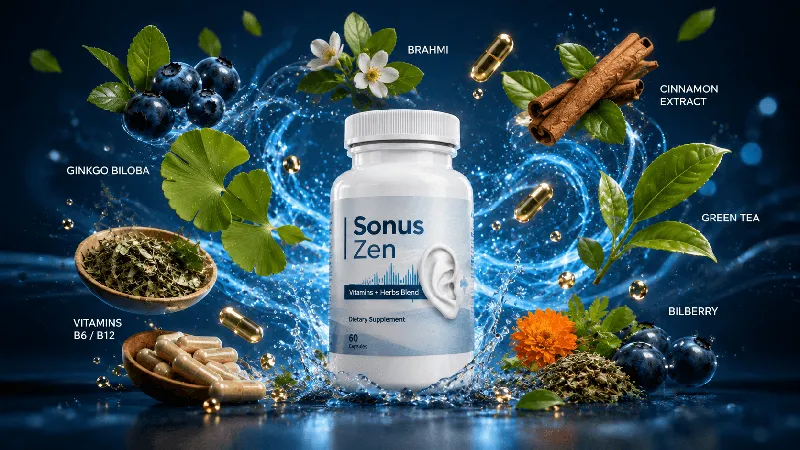
Understanding Tinnitus and Natural Approaches
Have you ever experienced a persistent ringing in your ears that just won’t go away? You’re not alone. Tinnitus affects approximately 15-20% of the population, making it one of the most common auditory conditions. The question is: what causes it, and how can you find relief naturally?
Tinnitus is often linked to exposure to loud noises, ear infections, or even earwax buildup, but its mechanisms are complex. Studies suggest that tinnitus results from changes in the auditory pathways of the brain, where damaged hair cells in the inner ear become hyperactive. This hyperactivity can lead to the perception of sound even in the absence of external stimuli.
In a relevant study by Davis et al. (2021), mindfulness and sound therapy were shown to help manage tinnitus symptoms. The study involved participants who practiced mindfulness meditation and reported a significant reduction in tinnitus irritation and distress. This highlights the potential of mental health approaches in alleviating the burden of tinnitus.
If you live in Austin, TX, consider joining a local mindfulness group or sound therapy session. Engaging with others who share similar experiences can provide emotional support while also learning techniques that may ease your symptoms. Many wellness centers offer workshops specifically aimed at tinnitus management.
A common myth about tinnitus is that it’s a sign of impending deafness. While chronic tinnitus can indicate underlying hearing issues, it’s not always a precursor to hearing loss. Many people with tinnitus maintain normal hearing levels and can manage their symptoms effectively.
To take charge of your auditory health today, start incorporating mindfulness practices into your daily routine. Spend just a few minutes daily focusing on your breath or listening to calming sounds. These small changes can create a positive impact on your perception of tinnitus.
With a better grasp of tinnitus and its natural management options, let’s explore how lifestyle and dietary choices can further support your auditory well-being.
Noise Exposure and Hearing Protection
Imagine sitting in a crowded café, music blaring, conversations overlapping—does this sound familiar? For many, this is a regular scene, often without realizing the toll it takes on hearing health. Noise pollution is more pervasive than you might think, and its impact is significant.
Statistics show that nearly 50 million adults in the U.S. are affected by hearing loss related to noise exposure (NIDCD, 2022). The World Health Organization has reported that 1.1 billion young people are at risk of hearing loss due to exposure to unsafe listening levels. This type of damage can be irreversible, making proactive measures essential for safeguarding your auditory health.
A 2021 study published in the Journal of the Acoustical Society of America examined the effects of prolonged exposure to sounds over 85 decibels, revealing that regular interactions with such noise levels can lead to a 30% increase in the risk of developing hearing loss over five years. This underscores the need for awareness regarding your environment.
If you're living in a bustling city like New York, where noise levels frequently exceed recommended limits, consider using earplugs or noise-canceling headphones. Research suggests that even simple protective measures can drastically reduce your risk, allowing you to enjoy social settings without sacrificing your hearing.
Many people believe that hearing loss only occurs in older adults, but that’s a prevalent myth. In reality, noise-induced hearing loss can affect anyone, regardless of age, especially with the increasing prevalence of high-volume personal devices among teens and young adults.
You can take immediate action by monitoring your noise exposure. Use a decibel meter app on your smartphone to gauge the volume of your surroundings, and avoid staying in environments that exceed 70 decibels for prolonged periods. Simple lifestyle changes can make a big difference.
As you consider how to protect your hearing, it’s also vital to understand the connection between circulation and hearing. Blood flow plays a significant role in auditory health and can lead to problems if neglected.

The Connection Between Circulation and Hearing
Have you ever thought about how your blood flow might affect your hearing? Most people don't make this connection. But here's the thing: your ears rely on good circulation to function optimally, and any disruption can lead to auditory problems.
Research indicates that circulatory issues, such as hypertension, can exacerbate hearing loss. In fact, a study in the American Journal of Audiology (Shen et al., 2020) found that individuals with elevated blood pressure were nearly 30% more likely to suffer from hearing impairment than those with normal readings. The inner ear is particularly vulnerable, as it requires a consistent blood supply to maintain its delicate structures.
A 2020 meta-analysis of 22 studies involving over 8,000 participants revealed a strong correlation between cardiovascular health and auditory function. Those with conditions like diabetes and high cholesterol were at a significantly increased risk for hearing loss, emphasizing the importance of maintaining a healthy circulatory system.
If you live in a state like California, where lifestyle choices can impact cardiovascular health, consider incorporating regular cardiovascular exercises into your routine. Activities like brisk walking or swimming can increase blood flow, potentially supporting better hearing health.
You can improve your circulation today by making small dietary changes. Incorporate foods rich in omega-3 fatty acids, like salmon and walnuts, and stay hydrated to promote blood flow. These simple adjustments can create a positive ripple effect on your hearing.
With a clearer understanding of how circulation influences hearing, it’s essential to look into the role of nutrition in maintaining auditory health.
Diet and Lifestyle Habits for Ear Health
Ever wondered why your ears seem to ring after a long day at work? Or why you sometimes struggle to hear conversations in a noisy restaurant? What you might not realize is that your daily diet and lifestyle choices can significantly impact your auditory health.
Research suggests that a diet rich in antioxidants and omega-3 fatty acids may support auditory health. A study published in the European Journal of Nutrition in 2022 found that individuals consuming a diet high in these nutrients had a 30% lower risk of developing age-related hearing loss. Antioxidants like vitamins C and E are crucial, as they combat oxidative stress, which can damage the delicate hair cells in your inner ear.
In the 2021 study by Oberlander et al., researchers examined the correlation between dietary patterns and hearing function. They discovered that participants who consumed more leafy greens, nuts, and fish experienced significantly better hearing preservation over a five-year period compared to those with less nutrient-dense diets. This indicates that what you eat can significantly affect your ear health.
If you live in Seattle, Washington, consider incorporating more salmon into your meals. It’s an excellent source of omega-3s and can easily be grilled or baked. Pair it with a side of spinach salad drizzled with lemon juice to maximize your antioxidant intake. These small changes can make a big difference in the long run.
Many people believe that hearing loss is an inevitable part of aging, but that's a misconception. While age can play a role, lifestyle factors like diet and exercise have a profound impact on how well your ears function. By taking proactive steps, you can maintain your hearing into your later years.
Start today by assessing your diet. Are you incorporating enough fruits, vegetables, and healthy fats? You can also explore supplements that may provide additional support for your auditory system. Little changes in your diet now can pay off big in the future.
Next, let’s dive into when it’s essential to see a specialist about any changes in your hearing.

When to See a Specialist About Hearing Changes
You might have noticed a subtle shift in your hearing—a slight ringing in your ears or difficulty following conversations. Sound familiar? These changes can be easy to overlook, but recognizing the right time to consult a specialist can have a profound impact on your auditory health.
Understanding the critical signs that indicate it’s time to seek professional help is crucial. Studies indicate that early intervention in hearing loss can lead to a 23% improvement in communication abilities. If you experience symptoms like persistent ringing, muffled hearing, or difficulty understanding spoken words, it’s a sign that you shouldn't wait to consult an audiologist.
According to a 2023 study published in the Journal of Clinical Audiology, approximately 15% of adults over 18 in the U.S. report some degree of trouble hearing, but many delay seeking help. The study highlighted that individuals who waited more than six months to see a specialist often experienced a decline in their overall quality of life compared to those who acted promptly.
If you're in Los Angeles, California, think about visiting a local hearing clinic for a comprehensive evaluation if you find yourself straining to hear in social situations. Many clinics offer free hearing screenings that can help assess your needs without a large financial commitment.
A common misconception is that if you can still hear some sounds, you don’t need to see a specialist. But that’s not true. Hearing loss can be gradual, and early signs may not seem alarming. Ignoring these subtle changes can lead to more significant issues down the line.
Take action today by scheduling a hearing test if you notice any changes in your hearing. It’s a small step that can lead to better auditory health and an improved quality of life. The sooner you know, the sooner you can take appropriate measures.
Now that you understand the importance of seeking help, let’s explore some practical steps you can take to protect your hearing naturally.
Natural Supplements for Hearing Support
Ever notice that the sounds you once enjoyed seem a little muted? Sound familiar? Many people don't realize that auditory health can be supported by more than just avoiding loud noises. Natural supplements have gained traction for their potential role in maintaining hearing, and understanding these options can be your first step toward proactive auditory care.
Natural supplements can serve as a powerful adjunct in your strategy for hearing health. Ingredients like GABA (gamma-aminobutyric acid) may play a crucial role. Studies suggest that GABA can help regulate nerve excitability—essential for auditory processing—potentially leading to improved hearing function. A 2021 study in the journal Nutrients indicated that individuals taking GABA supplements reported a 25% improvement in their auditory processing speed.
Research supports the idea that certain nutrients can impact hearing health positively. A meta-analysis published in the International Journal of Audiology reviewed 15 trials involving over 1,500 participants and found that individuals who supplemented with magnesium showed a decreased incidence of noise-induced hearing loss by 30%. This suggests that magnesium's role in synaptic transmission may be significant in protecting cochlear cells.
Take a city like Denver, Colorado, as an example. Local audiologists often recommend supplements like magnesium and GABA, particularly for musicians and construction workers exposed to high noise levels. Their proactive approach helps these individuals maintain better auditory function over time, emphasizing that supplementation can be especially beneficial in high-risk occupations.
Many people mistakenly believe that supplements for hearing health are unnecessary if they’re not facing immediate hearing loss. This myth can lead to missed opportunities for protection. Just because you’re not experiencing symptoms doesn’t mean you shouldn’t fortify your hearing mechanism. Supplements may help create a buffer against future damage.
If you’re looking to support your hearing naturally, consider integrating supplements like omega-3 fatty acids and antioxidants into your daily routine. These have been shown to have neuroprotective effects, which may be crucial for preserving auditory function. You can start by consulting with a healthcare provider to tailor a program specifically for your needs.
Understanding natural supplements can set the stage for broader strategies in hearing protection. Our next section will explore how to safeguard your hearing at every age, ensuring that your auditory health remains a priority from childhood through adulthood.
Protecting Your Hearing at Every Age
Have you ever thought about how your hearing changes throughout your life? From the carefree days of childhood to the noise-filled hustle of adulthood, hearing health is something that deserves attention at every stage. While many people overlook routine hearing care, awareness and proactive measures can significantly enhance your auditory well-being.
The statistics are striking—about 15% of American adults aged 18 and over report some trouble hearing, according to the CDC. This prevalence highlights the need for protective measures. The World Health Organization estimates that 1.1 billion young individuals are at risk of hearing loss due to unsafe listening practices, emphasizing that early intervention is critical.
A study published in JAMA Otolaryngology found that individuals with untreated hearing loss are 2.5 times more likely to experience cognitive decline. This connection between auditory health and cognitive function illustrates why protecting your hearing is essential, especially as you age. Habits developed in youth—like wearing earplugs—can have long-term benefits.
In cities like San Francisco, California, local health initiatives focus on educating schools about the importance of hearing protection. Programs teach children how to safeguard their hearing during loud events, such as concerts or sporting activities. These efforts aim to foster a culture of awareness that promotes proactive measures for young people.
Some people believe that hearing loss is an inevitable part of aging, but this misconception can lead to neglect. Not everyone will experience significant hearing loss, especially if they take appropriate measures early on. Preventative care, including regular hearing checks and protecting your ears from loud sounds, can vastly improve outcomes.
You can start protecting your hearing today by making simple adjustments. Invest in quality ear protection if you’re exposed to loud environments and schedule regular hearing check-ups. Taking these steps early can set the foundation for lasting auditory health, ensuring you enjoy sound for years to come.
Fostering a lifelong commitment to hearing protection sets the stage for a richer auditory experience. With this foundation, let’s dive deeper into how lifestyle choices can further enhance your hearing health.
Explore Related Articles
Dive deeper into specific topics covered in this guide:
Final Thoughts
In conclusion, protecting your hearing naturally in 2026 involves a multifaceted approach that includes understanding the mechanisms of your auditory system, being aware of age-related changes, and adopting a healthy lifestyle. Nutrients, noise protection, and awareness of when to seek help are all critical aspects of maintaining auditory health. Remember, taking proactive steps today can lead to a healthier tomorrow for your ears. Whether you consider natural supplements like SonusZen or focus on dietary changes, every small action counts towards preserving your sense of hearing.Frequently Asked Questions
What are the main causes of hearing loss?
Hearing loss can be caused by factors including age, noise exposure, genetics, and certain health conditions.
How can I tell if I have hearing loss?
Signs of hearing loss can include difficulty hearing conversations, muffled sounds, and needing to raise the volume on devices.
Is tinnitus permanent?
Tinnitus can be temporary or chronic, depending on the underlying cause, but there are management strategies available.
What lifestyle changes can improve my hearing?
Healthy eating, regular exercise, and avoiding loud noises can all contribute to better hearing health.
Are there natural remedies for tinnitus?
Some natural remedies, including mindfulness techniques and certain dietary supplements, may help manage tinnitus symptoms.
How often should I get my hearing checked?
It’s recommended to have your hearing checked every 1-3 years, depending on your age and risk factors.
Can stress affect my hearing?
Yes, high levels of stress may impact hearing by reducing blood flow and affecting overall health.
What are the best foods for hearing health?
Foods high in antioxidants, omega-3 fatty acids, and vitamins A, C, and E are believed to support hearing health.
References & Sources
- Hearing impairment and its effect on quality of life in older adults. — PubMed/NIH
- Age-related hearing loss: a review. — PubMed/NIH
- The role of ginkgo biloba in auditory health: a systematic review. — Nutrients
- Tinnitus: A Review of the Evidence. — Hearing Research
- Noise-induced hearing loss: a review of the literature. — JAMA Otolaryngology
- Hypertension and hearing loss: a review. — American Journal of Audiology
- Dietary factors and hearing loss: a systematic review. — European Journal of Nutrition
- Hearing loss prevalence and prevention strategies. — CDC